Beyond Difficulty: What Souls-like Players Respond To
We analyzed 150K reviews of 24 souls-likes. Challenge is table stakes; skill expression, narrative momentum and social play set games apart.
By Ahmet UysalUpdated 29 October 2025
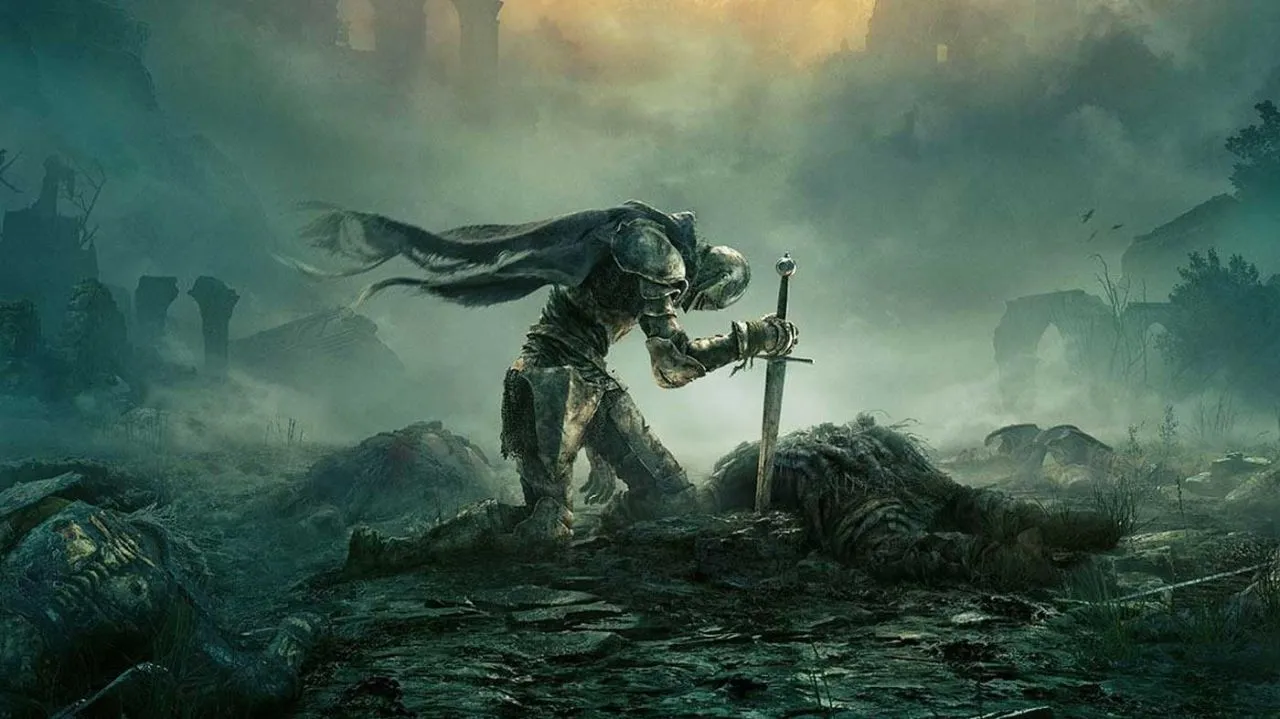
We analyzed player feedback on 24 souls-like titles, about 150K reviews, against a cross-genre baseline of 2M+ reviews from 300+ games, to see what the genre’s audience responds to.
Challenge is table stakes, but it’s not the story
Three flavors surface in player responses.
Skill expression. Across all 24 titles, with a couple of exceptions, players mention skill-related themes about twice as often as in our broader benchmark. A few titles over-index even further.
Narrative momentum. Many games in the genre lean on lore and environmental storytelling. Some go further, with clear story beats and payoffs that keep players pushing through failure. In those games, the story is a true motivator, not just atmosphere.
Social play. Souls-likes have distinctive multiplayer systems, pioneered by FromSoftware, yet only a couple of releases really lean into social play.
Skill expression: the best in class
Pushing difficulty and skill even further in this genre is playing with fire. Yet a few games pull it off.
The standouts are The First Berserker: Khazan and Sekiro: Shadows Die Twice, followed by Lies of P and Nioh 2. Players mention skill-related topics about twice as often as in other souls-likes, and about 3.5 times as often as in our broader benchmark.
They make players feel themselves improve
Khazan and Sekiro are best in class at creating a sense of skill growth. Players cite skill growth about 1.7 times as often as in genre peers, with strong sentiment: 85% positive for Khazan and 75% for Sekiro.
“The level of triumph you feel after destroying a boss is amazing!” (The First Berserker: Khazan)
“In Sekiro it is very obvious that you as a player improve, not just your character.” (Sekiro: Shadows Die Twice)
High difficulty without breaking players
Both games get there with highly appreciated moment-to-moment play, 93% and 96% positive respectively, built on deep, fluid and responsive combat.
“One of the best action RPGs I have played so far, with very satisfying combos, skills, special actions and parrying mechanic.” (The First Berserker: Khazan)
“It becomes a true dance of blades as you watch and counter the movements of your opponent.” (Sekiro: Shadows Die Twice)
Difficult, but fair
Skill expression is table stakes for the genre. Khazan and Sekiro push the boundaries by pairing it with highly satisfying, responsive combat that rewards mastery.
If you’re making a souls-like and your thesis is skill expression, it’s a very fine line to walk. The answer isn’t more difficulty: players call out artificial, cheap difficulty fast. It’s “difficult but fair”, with the right tools: clear reads, consistently responsive and fluid combat, and payoffs for mastery.
If your thesis sits at the other end, accessible without losing the genre identity, look at Another Crab’s Treasure. It tops the list.